Ginger Flash Trip: India's Beloved Arcade Adventure
Ginger Flash Trip has emerged as one of the most popular mobile games in India, captivating millions of desi gamers with its unique blend of cultural storytelling, fast-paced arcade action, and intuitive gameplay mechanics. Developed by Daman Games Studios, this title stands out in the crowded mobile gaming market by staying true to Indian sensibilities while delivering a world-class gaming experience that rivals international releases.
Launched on 15th August 2023 – a date chosen to coincide with India's Independence Day – Ginger Flash Trip quickly became a national sensation, crossing 5 million downloads within its first month and receiving rave reviews from both critics and players alike. What makes this game truly special is its ability to resonate with Indian gamers across all age groups, from teenagers enjoying quick matches during their commute to older players appreciating the cultural references and nostalgic elements.
Set in a vibrant, fictional version of India that combines modern urban landscapes with traditional villages, historical landmarks, and mythological elements, Ginger Flash Trip offers a gaming experience that feels both familiar and excitingly new. The game's protagonist, Ginger – a spirited young adventurer with a knack for solving puzzles and overcoming challenges – has become a beloved character in the Indian gaming community, embodying the resilience, creativity, and zest for life that resonates with desi audiences.
Table of Contents
- 1. Overview
- 2. Development History
- 3. Gameplay Mechanics
- 4. Game World & Lore
- 5. Key Features
- 6. Technical Specifications
- 7. Regional Adaptations & Localization
- 8. Multiplayer & Social Features
- 9. Critical Reception & Player Feedback
- 10. Post-Release Updates & Expansions
- 11. Competitive Scene
- 12. Player Guides & Tips
- 13. Future of Ginger Flash Trip
- 14. Cultural Impact & Legacy
1. Overview
Ginger Flash Trip is a free-to-play mobile arcade adventure game developed and published by Daman Games, one of India's leading gaming studios known for creating content that celebrates Indian culture while delivering engaging gameplay. The game was officially announced in March 2023 with a teaser trailer that showcased its vibrant visuals and unique premise, generating significant buzz among Indian gaming enthusiasts.
Designed primarily for mobile devices (Android and iOS), Ginger Flash Trip offers a lightweight yet feature-rich gaming experience that performs well even on budget smartphones – a crucial consideration given India's diverse mobile market where a large portion of gamers use mid-range or entry-level devices. The game's file size of just 75MB makes it accessible to users with limited storage space and data plans, a key factor in its widespread adoption across rural and urban areas alike.
The core concept of Ginger Flash Trip revolves around Ginger, a young explorer on a mission to recover ancient Indian artifacts that have been scattered across the country by a mysterious force. Along the way, players must navigate through various challenges, solve puzzles inspired by Indian riddles and folklore, and overcome obstacles that draw from both modern and traditional Indian settings.
What sets Ginger Flash Trip apart from other mobile games is its seamless integration of Indian cultural elements into every aspect of the gameplay experience. From the soundtrack featuring traditional Indian instruments blended with modern beats to the visual design that incorporates rangoli patterns, mehendi designs, and architectural styles from different regions of India, the game offers a celebration of Indian culture that feels authentic rather than tokenistic.
The game follows a free-to-play model with optional in-app purchases that allow players to unlock cosmetic items, power-ups, and additional content. However, unlike many mobile games that rely heavily on pay-to-win mechanics, Ginger Flash Trip ensures that all core content is accessible to players without spending money, making it popular among casual gamers who prefer not to invest financially in mobile gaming.
Ginger, the spirited protagonist of Ginger Flash Trip
The colorful game world inspired by Indian geography and culture
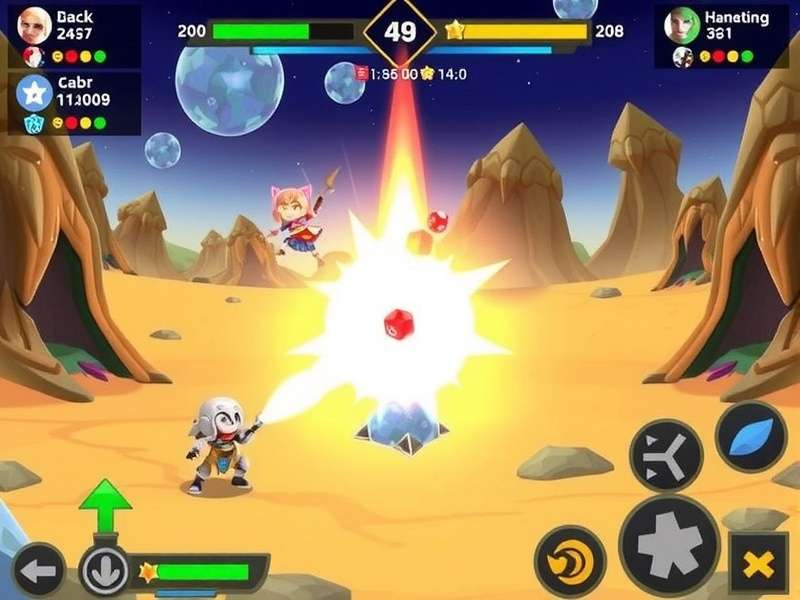
Action-packed gameplay featuring intuitive controls
2. Development History
2.1 Concept Origins
The idea for Ginger Flash Trip first emerged in 2021 during a brainstorming session at Daman Games Studios, where the team recognized a gap in the mobile gaming market for high-quality games that authentically represented Indian culture. At the time, most popular mobile games in India were either international titles with minimal localization or low-budget desi games that failed to meet modern gaming standards.
Lead game designer Rakesh Mehta recalled, "We noticed that Indian gamers were hungry for content that reflected their own experiences and culture, but there weren't many options available that matched the production quality of international games. We wanted to create something that would make desi gamers proud – a game that they could relate to on a cultural level while enjoying gameplay that could compete with the best in the world."
The team spent six months researching Indian culture, folklore, geography, and gaming preferences before finalizing the concept for Ginger Flash Trip. They conducted surveys with over 5,000 Indian gamers across different age groups, regions, and socioeconomic backgrounds to understand what elements they wanted to see in a desi mobile game.
Key insights from this research included a strong preference for intuitive, easy-to-learn controls (given that many Indian gamers play on touchscreen devices with no prior gaming experience), a desire for cultural references that felt authentic rather than stereotypical, and a preference for short, engaging levels that could be played in quick sessions (perfect for commutes or breaks).
2.2 Development Process
Development of Ginger Flash Trip officially began in January 2022 with a team of 35 developers, designers, artists, and cultural consultants. The team was deliberately diverse, with members from different regions of India to ensure that the game's cultural representations were accurate and inclusive.
One of the biggest challenges during development was balancing cultural authenticity with universal appeal. As art director Priya Sharma explained, "We wanted to include specific cultural elements that would resonate with Indian players, but we also didn't want to alienate potential international players or make the game feel inaccessible to Indians from different regions. It was a delicate balance – for example, we included regional festivals but ensured they were explained in a way that was informative without being patronizing."
The development team also faced technical challenges related to optimizing the game for India's diverse mobile market. Unlike Western markets where most gamers use high-end smartphones, a significant portion of Indian gamers use budget devices with limited processing power and RAM. To address this, the team implemented a range of optimization techniques, including adjustable graphics settings, efficient asset management, and a lightweight game engine specifically designed for mobile devices.
Another key focus during development was ensuring that the game was accessible to players with limited data plans. The team optimized the game's download size, implemented data-saving features for online gameplay, and designed the game to function well even on 2G and 3G networks – a crucial consideration for players in rural areas where high-speed internet is not always available.
2.3 Beta Testing & Feedback
Closed beta testing for Ginger Flash Trip began in March 2023 with 10,000 selected players from across India. The beta testers were chosen to represent diverse demographics, including different age groups, regions, device types, and gaming experience levels. The beta testing phase lasted for three months, during which the development team collected detailed feedback on all aspects of the game.
Key feedback from beta testers included requests for more regional language support (the initial beta only included Hindi and English), improvements to the game's difficulty curve (some early levels were considered too challenging for new players), and additional social features to connect with friends.
The development team responded to this feedback by adding 13 more regional languages, adjusting the difficulty progression to be more gradual, and implementing a range of social features including friend invitations, leaderboards, and in-game chat. They also made significant improvements to the game's performance on low-end devices based on feedback from beta testers using budget smartphones.
Open beta testing was launched in July 2023, allowing any interested player to download and play the game while providing feedback. This phase helped the team identify and fix any remaining bugs and performance issues before the official launch. The open beta was a resounding success, with over 500,000 downloads and thousands of detailed feedback submissions that helped refine the final version of the game.
2.4 Launch Preparation
The decision to launch Ginger Flash Trip on 15th August 2023 – India's Independence Day – was a deliberate choice to align the game's release with a national celebration that resonates with Indian audiences. The marketing campaign leading up to launch emphasized the game's Indian identity, featuring taglines such as "Our Game, Our Pride" and "Desi Adventure for Desi Gamers."
The marketing strategy included partnerships with popular Indian gaming YouTubers and influencers, social media campaigns across platforms like Instagram, Facebook, and TikTok, and targeted ads on Indian gaming websites and forums. The team also organized launch events in major Indian cities including Mumbai, Delhi, Bangalore, and Kolkata, where players could try the game, meet the development team, and participate in competitions.
To ensure a smooth launch, the team invested heavily in server infrastructure capable of handling the expected surge in players. They also established a dedicated customer support team fluent in multiple regional languages to address player queries and issues quickly.
3. Gameplay Mechanics
3.1 Core Gameplay Loop
Ginger Flash Trip features a fast-paced, arcade-style gameplay loop that is easy to learn but challenging to master – a combination that has proven highly popular among Indian mobile gamers. The core objective of the game is to guide Ginger through a series of levels, collecting ancient artifacts, solving puzzles, and overcoming obstacles to progress through the game's story.
Each level in Ginger Flash Trip is designed to be completed in 2-5 minutes, making the game ideal for quick play sessions during commutes, breaks, or whenever players have a few minutes to spare. This design choice aligns perfectly with the gaming habits of Indian users, who often play mobile games in short bursts rather than extended sessions.
The basic gameplay involves controlling Ginger using intuitive touchscreen controls – swiping left or right to change lanes, swiping up to jump, and swiping down to slide under obstacles. These controls are familiar to anyone who has played endless runner games, but Ginger Flash Trip adds unique twists that set it apart from the genre.
One of the most distinctive gameplay mechanics is the "Desi Power" system, which allows players to activate special abilities inspired by Indian culture and mythology. These power-ups include:
- Rangoli Shield – A protective barrier inspired by traditional rangoli designs that deflects obstacles
- Mehendi Boost – A speed boost featuring intricate mehendi patterns that temporarily increases Ginger's movement speed
- Diwali Blast – A powerful attack inspired by Diwali fireworks that clears all obstacles in the player's path
- Yoga Focus – A slow-motion ability inspired by yoga that allows players to react more quickly to obstacles
3.2 Level Design
The levels in Ginger Flash Trip are inspired by different regions of India, each featuring unique visual themes, obstacles, and challenges. The game currently includes levels set in:
- The Himalayan mountains, featuring snow-covered terrain and obstacles like falling icicles and avalanches
- Rajasthani deserts, with sand dunes, camels, and obstacles like sandstorms and ancient ruins
- Kerala backwaters, featuring lush greenery, houseboats, and obstacles like floating logs and waterfalls
- Urban cities like Mumbai and Delhi, with skyscrapers, traffic, and obstacles like construction sites and crowded streets
- Ancient temples and historical sites, featuring architectural elements from Indian history and obstacles like booby traps and crumbling structures
Each level is carefully designed to balance challenge and enjoyment, with difficulty increasing gradually as players progress through the game. The levels also include hidden collectibles and secret paths that encourage exploration and replayability.
A unique feature of Ginger Flash Trip's level design is the "Dynamic Weather" system, which changes the gameplay experience based on weather conditions inspired by different Indian seasons. For example:
- Monsoon season levels feature rain that makes surfaces slippery, increasing the challenge of avoiding obstacles
- Summer season levels include heatwaves that can drain Ginger's energy if players don't collect water bottles
- Winter season levels feature fog that reduces visibility, making it harder to spot obstacles in advance
3.3 Progression System
Ginger Flash Trip features a comprehensive progression system that rewards players for their skill and dedication. As players complete levels, they earn:
- Ancient Coins – The game's primary currency, used to purchase power-ups, cosmetic items, and level unlocks
- Cultural Relics – Collectible items that unlock additional content and provide background information about Indian culture
- Experience Points – Used to level up Ginger and unlock new abilities and customization options
- Achievement Badges – Awarded for completing specific challenges, such as collecting a certain number of items or completing levels without using power-ups
The game also features a "Regional Mastery" system that allows players to earn special rewards by mastering levels set in specific regions of India. For example, completing all Rajasthan-themed levels unlocks a traditional Rajasthani outfit for Ginger, while mastering all temple levels unlocks a special power-up inspired by Indian mythology.
Unlike many mobile games that require grinding or in-app purchases to progress, Ginger Flash Trip's progression system is designed to be accessible to all players. The game's difficulty curve is carefully balanced to ensure that players can progress through the main story without spending money, while offering additional challenges for more skilled players who want to unlock all content.
3.4 Puzzle Elements
In addition to its arcade-style gameplay, Ginger Flash Trip incorporates puzzle elements inspired by Indian riddles, traditional games, and cultural practices. These puzzles provide a welcome change of pace from the fast-paced action and add depth to the gameplay experience.
Examples of puzzles in the game include:
- Rangoli Patterns – Players must recreate traditional rangoli designs by collecting colored dots in the correct sequence
- Mehendi Designs – Players must trace intricate mehendi patterns without lifting their finger from the screen
- Indian Riddles – Players must solve riddles in regional languages to unlock hidden paths and collectibles
- Traditional Games – Mini-games inspired by desi classics like kabaddi, gilli-danda, and carrom that players must complete to progress
These puzzle elements are designed to be both entertaining and educational, introducing players to different aspects of Indian culture while challenging their problem-solving skills. The puzzles are also fully localized, with region-specific riddles and games that reflect the diversity of Indian culture.
Simple, intuitive touch controls designed for mobile gameplay
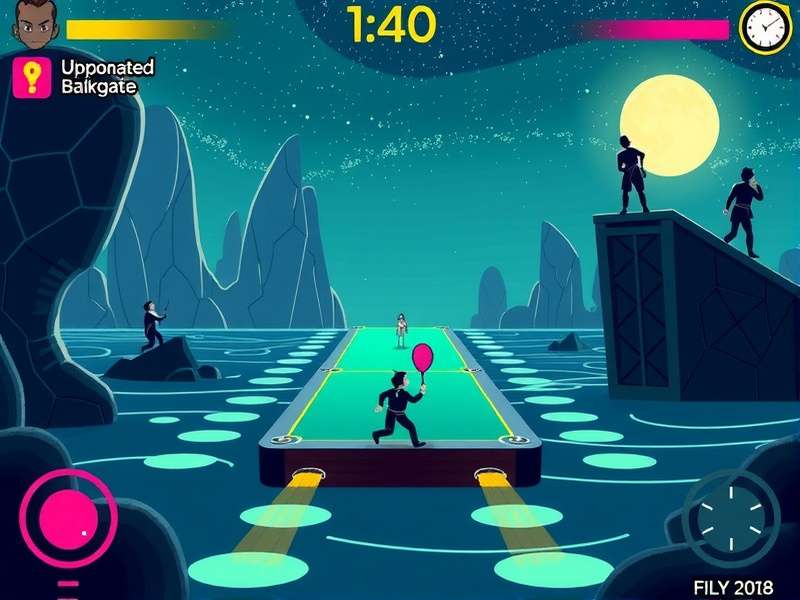
Cultural puzzle elements inspired by Indian traditions

Desi Power system featuring culturally inspired abilities
4. Game World & Lore
4.1 Setting
Ginger Flash Trip takes place in "Bharat Nadi," a fictionalized version of India that combines elements of real geography, history, and mythology with imaginative fantasy elements. The game world is divided into five major regions, each inspired by different parts of India and featuring unique visual styles, environments, and cultural references.
The five regions are:
- Himalayan Peaks – A mountainous region inspired by the Himalayas, featuring snow-capped mountains, Buddhist monasteries, and villages nestled in valleys. This region draws inspiration from the cultures of Uttarakhand, Himachal Pradesh, and Ladakh.
- Desert Kingdoms – A desert region inspired by Rajasthan and Gujarat, featuring sand dunes, palaces, forts, and traditional villages. This region is known for its vibrant colors, folk music, and royal heritage.
- Green Heartland – A lush, tropical region inspired by Kerala, Karnataka, and Tamil Nadu, featuring backwaters, rainforests, temples, and plantations. This region is known for its biodiversity, classical dance forms, and culinary traditions.
- Urban Jungles – A modern region inspired by India's major cities like Mumbai, Delhi, Bangalore, and Kolkata, featuring skyscrapers, slums, markets, and transportation systems. This region reflects the rapid urbanization of India while celebrating its urban culture.
- Mystic Ruins – A historical region inspired by India's ancient civilizations, featuring ruins from the Indus Valley, Mauryan, Gupta, and Mughal empires. This region is steeped in mythology and mystery, with hidden temples and ancient artifacts.
Each region in Ginger Flash Trip is meticulously designed to capture the unique character of its real-life inspiration, with attention to detail in architecture, clothing, food, music, and cultural practices. The game's art team traveled to different parts of India to research and document these elements, ensuring that the game world feels authentic and respectful of Indian culture.
4.2 Storyline
The storyline of Ginger Flash Trip follows the adventures of Ginger, a 17-year-old archaeology student with a passion for Indian history and culture. Ginger's grandfather, a renowned archaeologist, has spent his life studying ancient Indian artifacts and their connection to the country's mythology.
The game begins when Ginger receives a mysterious letter from her grandfather, who has gone missing while researching a set of ancient artifacts known as the "Prana Stones." These stones, according to legend, were created by the gods to maintain balance in the universe and are said to possess incredible power. The letter reveals that the stones have been scattered across India by a shadowy organization known as the "Kaal Sena" (Time Army), who seek to use their power for evil.
Ginger's mission is to travel across India, recover the Prana Stones before the Kaal Sena can get their hands on them, and uncover the truth about her grandfather's disappearance. Along the way, she meets a cast of memorable characters who help her on her journey, including:
- Raj – A street-smart guide from Mumbai who helps Ginger navigate the urban jungles
- Meera – A wise old woman from Kerala who possesses knowledge of ancient Indian traditions and mythology
- Arjun – A young prince from Rajasthan who helps Ginger navigate the desert kingdoms
- Lakshmi – A tech-savvy engineer from Bangalore who provides Ginger with gadgets and information
As Ginger collects each Prana Stone, she uncovers more about the Kaal Sena's plans and the true power of the stones. The storyline also explores Ginger's personal journey as she learns more about her grandfather's past and her own connection to the Prana Stones.
The game's narrative is presented through a combination of in-game cutscenes, dialogue, and collectible journals written by Ginger's grandfather. The story is designed to be both engaging and educational, incorporating elements of Indian history, mythology, and culture into the plot.
4.3 Characters
Ginger Flash Trip features a diverse cast of characters from different regions of India, each with their own unique personalities, backgrounds, and abilities. The game's character design reflects India's cultural diversity, with attention to regional clothing, facial features, and mannerisms.
Ginger – The game's protagonist, Ginger is a curious, brave, and resourceful young woman with a passion for Indian history and culture. She is depicted as being of mixed South Indian and North Indian heritage, reflecting India's cultural diversity. Ginger's design features a modern, practical outfit with subtle cultural elements, including a bindi and traditional jewelry. Her personality is upbeat and determined, with a good sense of humor that helps her stay positive even in challenging situations.
Kaal – The leader of the Kaal Sena and the game's main antagonist. Kaal is a mysterious figure with a deep knowledge of Indian mythology and a desire to use the Prana Stones to rewrite history. His design is imposing and mysterious, with traditional Indian clothing combined with futuristic elements that reflect his obsession with time. Kaal's backstory is gradually revealed throughout the game, adding depth to his character and explaining his motivations.
Supporting Characters – The game's supporting characters each represent different regions and cultures of India, providing players with a window into the country's diversity. Each supporting character has a unique personality and skill set that helps Ginger on her journey. For example, Raj's knowledge of Mumbai's streets helps Ginger navigate the urban levels, while Meera's understanding of ancient traditions helps her solve cultural puzzles.
The game's characters have been praised for their diversity and authenticity, with many Indian players noting that they appreciate seeing characters who reflect their own cultural backgrounds. The development team worked with cultural consultants from different regions of India to ensure that the characters' designs, dialogues, and mannerisms were accurate and respectful.
4.4 Mythological Elements
Ginger Flash Trip incorporates elements of Indian mythology throughout its gameplay and storyline, drawing from Hindu, Buddhist, Jain, and Sikh traditions. These mythological elements are integrated in a way that is both respectful and accessible, introducing players to different aspects of Indian mythology while enhancing the game's fantasy elements.
Key mythological elements in the game include:
- Prana Stones – The game's MacGuffin, inspired by the concept of prana (life force) in Hindu philosophy. Each stone is associated with a different aspect of Indian mythology, such as the Sun Stone (inspired by Surya), the Moon Stone (inspired by Chandra), and the Fire Stone (inspired by Agni).
- Mythological Creatures – The game features appearances by creatures from Indian mythology, including garudas, nagas, yakshas, and apsaras. These creatures are often depicted as allies or obstacles, depending on the level.
- Divine Blessings – Players can receive blessings from Hindu deities that grant special abilities. For example, a blessing from Lord Hanuman grants increased strength and jumping ability, while a blessing from Goddess Saraswati enhances puzzle-solving skills.
- Mythological Locations – The game includes locations inspired by mythological sites, such as Mount Kailash, Lanka, and Indraprastha. These locations are reimagined in the game's unique art style while retaining key mythological elements.
The development team took great care to represent these mythological elements in a respectful and accurate manner, consulting with religious scholars and cultural experts to ensure that the game did not perpetuate stereotypes or misrepresent sacred traditions. The game also includes educational information about the mythological elements, helping players learn more about Indian culture while enjoying the gameplay.
The Himalayan Peaks region, inspired by India's northern mountains

The vibrant Desert Kingdoms region, inspired by Rajasthan
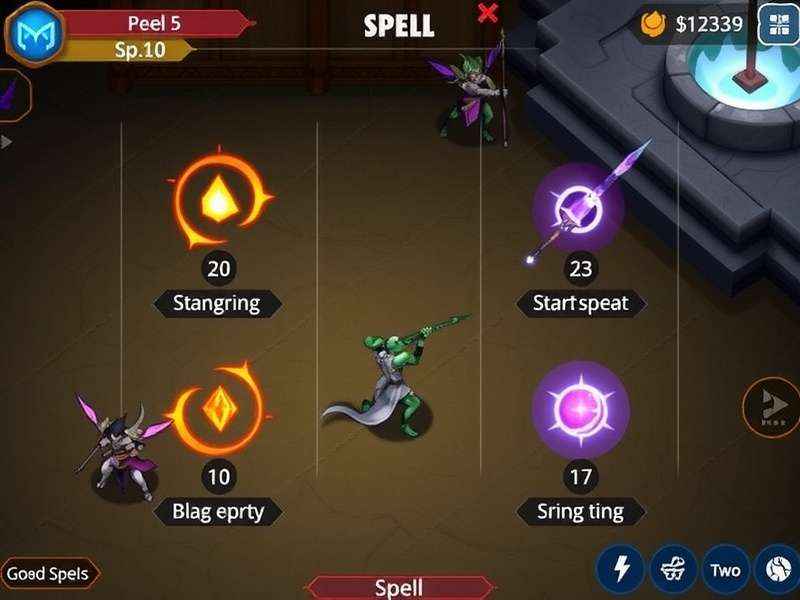
A mythological creature inspired by Indian folklore
5. Key Features
5.1 Cultural Authenticity
One of the most distinctive features of Ginger Flash Trip is its commitment to cultural authenticity. Unlike many games that use Indian culture as a superficial aesthetic, Ginger Flash Trip integrates Indian traditions, customs, and values into every aspect of the gameplay experience.
Key cultural features include:
- Regional Language Support – The game supports 15 regional languages, including Hindi, Bengali, Tamil, Telugu, Marathi, Gujarati, Kannada, Malayalam, Punjabi, Urdu, Oriya, Assamese, Bengali, Bhojpuri, and Rajasthani. All in-game text, dialogue, and voice acting are available in these languages, making the game accessible to players across India.
- Cultural Festivals – The game features seasonal events tied to Indian festivals like Diwali, Holi, Navratri, Pongal, and Eid. These events include special levels, costumes, power-ups, and rewards that celebrate the traditions and customs of each festival.
- Traditional Music & Sound Design – The game's soundtrack features a blend of traditional Indian instruments (such as sitar, tabla, sarod, and flute) with modern electronic beats. The sound design also includes regional folk music, traditional dances, and cultural references that vary depending on the game's region.
- Culinary References – The game includes collectibles inspired by Indian cuisine, such as samosas, dosas, idlis, and laddoos. Collecting these items unlocks educational information about Indian food and culinary traditions.
The development team worked with cultural consultants from different regions of India to ensure that these elements were represented accurately and respectfully. The game also includes a "Cultural Guide" section that provides players with information about the various cultural elements featured in the game, making it both entertaining and educational.
5.2 Customization Options
Ginger Flash Trip offers a wide range of customization options that allow players to personalize their gaming experience. These options include:
- Character Customization – Players can customize Ginger's appearance with a variety of outfits inspired by different regions of India. These outfits include traditional clothing like sarees, salwar kameez, lehenga cholis, and dhotis, as well as modern outfits with cultural elements. Each outfit has unique visual effects and can be unlocked by completing specific challenges or collecting certain items.
- Accessory Customization – Players can equip Ginger with a variety of accessories, including jewelry, hats, shoes, and bags, all inspired by Indian fashion. These accessories not only change Ginger's appearance but also provide minor gameplay bonuses.
- Power-Up Customization – Players can customize their power-ups by collecting "Cultural Essence" items, which allow them to modify the appearance and effects of their Desi Power abilities. For example, players can change the color and pattern of their Rangoli Shield or modify the effects of their Diwali Blast.
- Game Interface Customization – Players can customize the game's interface with different themes inspired by Indian art and culture. These themes change the color scheme, icons, and background of the game's menus and HUD.
The customization options in Ginger Flash Trip are designed to celebrate India's cultural diversity, allowing players to express their personal style while exploring different aspects of Indian fashion and design. The game's customization system has been praised for its attention to detail and cultural authenticity, with many players appreciating the opportunity to represent their regional culture through their in-game character.
5.3 Educational Content
Beyond its entertainment value, Ginger Flash Trip includes a range of educational content that teaches players about Indian culture, history, and mythology. This educational content is integrated seamlessly into the gameplay experience, making learning fun and engaging.
Key educational features include:
- Cultural Factoids – Collecting certain items or completing specific challenges unlocks "Cultural Factoids" – short, informative snippets about Indian culture, history, and traditions. These factoids cover a wide range of topics, including festivals, food, music, dance, art, and architecture.
- Historical Landmarks – The game features accurate representations of famous Indian landmarks, including the Taj Mahal, Qutub Minar, Red Fort, Charminar, and Meenakshi Temple. Players can learn about these landmarks by interacting with them in-game, unlocking detailed information about their history and significance.
- Mythology Lessons – The game's mythological elements are accompanied by educational information about Indian mythology, helping players learn about the gods, goddesses, and stories that have shaped Indian culture.
- Regional Culture Guides – Each region of the game includes a "Regional Culture Guide" that provides information about the culture, traditions, and customs of the real-life region that inspired it. These guides include information about language, food, music, dance, and festivals.
The educational content in Ginger Flash Trip has been developed in consultation with educators and cultural experts to ensure accuracy and relevance. The game has also been praised by parents and teachers for its ability to make learning about Indian culture fun and engaging for children and teenagers.
5.4 Accessibility Features
Ginger Flash Trip is designed to be accessible to players of all ages and abilities, with a range of features that make the game playable for everyone.
Key accessibility features include:
- Adjustable Difficulty – Players can choose from three difficulty levels (Easy, Medium, and Hard) to suit their skill level. The Easy difficulty level reduces the number of obstacles and increases the frequency of power-ups, making the game accessible to younger players and those new to mobile gaming.
- Customizable Controls – Players can customize the game's controls to suit their preferences, including adjusting the size and position of on-screen buttons, enabling or disabling vibration feedback, and choosing between different control schemes.
- Visual Accessibility – The game includes visual accessibility features such as adjustable brightness, high-contrast mode, and text size options. These features make the game more accessible to players with visual impairments.
- Auditory Accessibility – The game includes closed captions for all dialogue and sound effects, making it accessible to players with hearing impairments. Players can also adjust the volume of different audio elements (music, sound effects, voice acting) independently.
- Cognitive Accessibility – The game includes features to help players with cognitive disabilities, such as simplified UI options, tutorial reminders, and the ability to pause the game at any time.
The development team's commitment to accessibility has made Ginger Flash Trip one of the most inclusive mobile games available in India, allowing players of all abilities to enjoy the game's cultural and entertainment value.
5.5 Offline Play
Recognizing that many Indian gamers have limited or intermittent internet access, Ginger Flash Trip includes a comprehensive offline play mode that allows players to enjoy most of the game's content without an internet connection.
The offline mode includes:
- All single-player levels and story content
- Basic customization options
- Offline leaderboards (stored locally on the device)
- Access to previously unlocked power-ups and items
Players can sync their offline progress with their online account when they reconnect to the internet, ensuring that they don't lose any progress. The game also includes a data-saving mode for online play, which reduces the amount of data used by the game by compressing images and limiting background downloads.
The offline play feature has been a major factor in Ginger Flash Trip's popularity in rural areas of India, where internet access is often limited. It has also made the game popular among commuters who want to play during their travels without using their mobile data.
Wide range of customization options inspired by Indian fashion
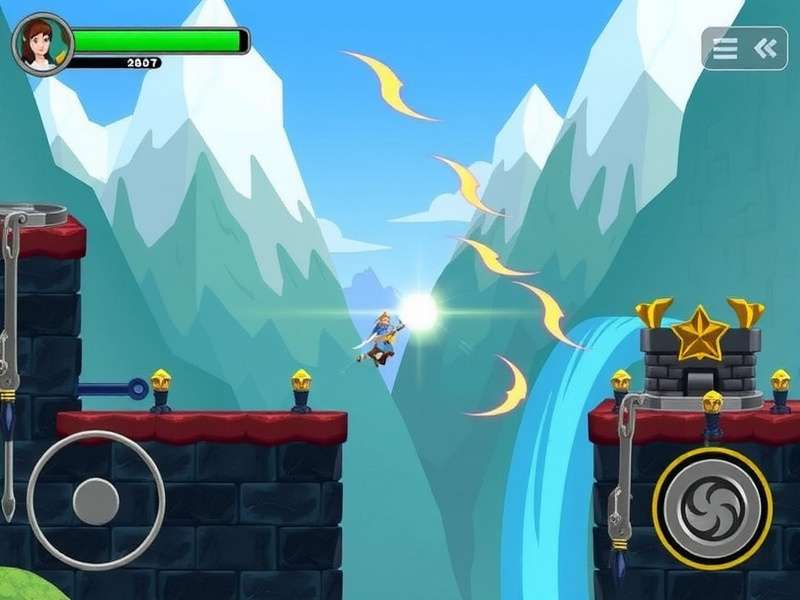
Seasonal events celebrating Indian festivals like Diwali
Educational content about Indian culture and history
6. Technical Specifications
6.1 Platforms & Requirements
Ginger Flash Trip is currently available on mobile devices running Android and iOS operating systems. The game has been optimized to run on a wide range of devices, from budget smartphones to high-end flagship devices.
Android Requirements:
- Operating System: Android 6.0 (Marshmallow) or higher
- RAM: Minimum 2GB (1GB supported with reduced graphics settings)
- Storage: 75MB of free space for the base game (additional space required for updates and downloadable content)
- Processor: Quad-core 1.4GHz or higher
- Graphics: Adreno 306 or equivalent
iOS Requirements:
- Operating System: iOS 12.0 or higher
- Devices: iPhone 6s or later, iPad Air 2 or later, iPad mini 4 or later, iPod touch (7th generation) or later
- Storage: 80MB of free space for the base game
One of the key technical achievements of Ginger Flash Trip is its ability to run smoothly on low-end devices. The development team implemented a range of optimization techniques to ensure that the game performs well even on budget smartphones, which are popular among Indian gamers. These optimizations include:
- Dynamic resolution scaling that automatically adjusts the game's resolution based on the device's capabilities
- Texture compression and level-of-detail (LOD) systems that reduce the graphical complexity on less powerful devices
- Efficient memory management that minimizes RAM usage
- Frame rate limiting options that allow players to choose between performance and visual quality
6.2 Graphics & Visual Design
Ginger Flash Trip features a vibrant, colorful visual style that combines cartoonish character designs with detailed environments inspired by Indian culture. The game's art direction draws from a variety of Indian artistic traditions, including miniature painting, rangoli design, mehendi art, and folk art.
Key graphical features include:
- Cell-Shaded Rendering – The game uses a cell-shaded rendering technique that gives it a distinctive, comic-book-like appearance while keeping the graphics lightweight enough for mobile devices.
- Dynamic Lighting – The game features dynamic lighting effects that change based on the time of day, weather conditions, and location. These effects include realistic sunlight, moonlight, firelight, and artificial lighting.
- Particle Effects – The game uses a variety of particle effects to enhance the visual experience, including fireworks (inspired by Diwali), rangoli patterns, and magical effects for power-ups.
- Animated Environments – The game's environments are highly animated, with moving objects, weather effects, and interactive elements that bring the world to life.
- Cultural Visual Elements – The game's visuals are enriched with cultural elements like rangoli patterns, mehendi designs, traditional textiles, and architectural details inspired by Indian buildings.
The development team worked with Indian artists and designers to ensure that the game's visual style was both authentic and appealing. The game's color palette is inspired by traditional Indian colors, with vibrant blues, reds, yellows, and greens that reflect the country's cultural heritage.
6.3 Sound & Music
The sound design and music of Ginger Flash Trip are among its most praised features, with a soundtrack that celebrates Indian music while incorporating modern gaming audio techniques.
Key audio features include:
- Original Soundtrack – The game's original soundtrack was composed by renowned Indian music producer A.R. Rahman, who blended traditional Indian instruments with modern electronic music. The soundtrack features regional variations, with music inspired by the folk traditions of each game region.
- Voice Acting – The game features professional voice acting in all 15 supported regional languages, with voice actors from different parts of India ensuring authentic regional accents and dialects.
- Environmental Audio – The game's environments are brought to life with detailed sound effects, including traditional Indian music, street sounds, wildlife, and weather effects.
- Adaptive Audio – The game's audio adapts to the gameplay, with the music becoming more intense during action sequences and more relaxed during puzzle sections. The audio also changes based on the player's location in the game world.
- Cultural Sound Elements – The game includes a variety of cultural sound elements, such as traditional musical instruments, folk songs, and religious chants, that enhance the cultural authenticity of the experience.
The game's audio design has been praised for its attention to detail and cultural authenticity, with many players noting that the soundtrack and sound effects enhance the immersive quality of the game.
6.4 Performance & Optimization
Given the diversity of mobile devices in India, performance and optimization were key priorities during the development of Ginger Flash Trip. The development team implemented a range of technical solutions to ensure that the game runs smoothly on as many devices as possible.
Key performance features include:
- Device Detection – The game automatically detects the player's device and adjusts its settings to optimize performance. Players can also manually adjust settings like graphics quality, frame rate, and particle effects to balance performance and visual quality.
- Background Processing Management – The game efficiently manages background processes to minimize battery usage and prevent overheating, which is a common concern for mobile gamers in India's hot climate.
- Download Management – The game uses a smart download system that allows players to download additional content in parts, reducing the initial download size and allowing players with limited data plans to manage their downloads more effectively.
- Crash Reporting & Recovery – The game includes a robust crash reporting system that sends anonymous data to the development team, allowing them to quickly identify and fix performance issues. The game also features auto-save and crash recovery systems that prevent players from losing progress.
- Network Optimization – For online features, the game uses optimized network code that minimizes data usage and ensures smooth gameplay even on slow or unstable internet connections.
The development team regularly releases performance updates based on player feedback and device data, ensuring that the game continues to run smoothly as new devices are released and operating systems are updated.
Adjustable graphics settings to optimize performance on any device
Original soundtrack blending traditional Indian music with modern beats

Performance optimization ensures smooth gameplay on budget devices
7. Regional Adaptations & Localization
One of the key factors behind Ginger Flash Trip's success in India is its extensive regional adaptations and localization efforts. Unlike many mobile games that offer only basic Hindi and English support, Ginger Flash Trip has been carefully localized for 15 different regional languages, with cultural references and content tailored to specific regions of India.
The development team recognized early on that India's linguistic and cultural diversity would require a more comprehensive localization approach than most mobile games. As localization director Suresh Krishnan explained, "India is not a single market – it's a collection of diverse regions with their own languages, cultures, and traditions. To make Ginger Flash Trip truly accessible to Indian gamers, we needed to go beyond simple translation and create region-specific content that resonates with players on a cultural level."
7.1 Language Localization
Ginger Flash Trip supports 15 regional languages, covering the major linguistic groups of India. The languages supported are:
- Hindi (National language)